May 28, 2026
In this article, we will explore essential tips and guidelines for maintaining your sump pump after installation to ensure its longevity and efficiency. Regular maintenance can prevent unexpected failures and costly repairs. Understanding proper care procedures not only extends the life of your sump pump but also bolsters its operational reliability. This will ultimately safeguard your home from potential water damage and flooding incidents, often associated with neglected sump pump systems.
Listen for Unusual Sump Pump Noises
Proper sump pump installation is vital, but even after a successful installation, it's crucial to listen for unusual noises during operation. A well-functioning sump pump should run quietly with a low hum rather than clunky or grinding sounds. These noises could indicate a variety of issues, such as debris interfering with the pump mechanism or a malfunctioning motor. Regularly checking the noise levels of your sump pump can help identify potential issues before they escalate into significant problems.
When left unchecked, unusual noises might lead to more prominent mechanical failures in your sump pump system. Persistent rumbles or thuds could be signs of misalignment within the pump assembly or foreign objects trapped inside the sump pit. Given that the sump pump is typically installed in a basement or other less-frequented area, these issues might remain unnoticed until they lead to significant malfunctions. Therefore, it's crucial to regularly allocate time to observe your sump pump, especially following heavy rains or after periods of inactivity.
The prompt identification and resolution of noise-related issues can prevent the need for costly repairs or replacement. Moreover, regular maintenance checks, including those for unusual noises, can contribute substantially to the operational efficiency and effectiveness of the sump pump. If you're unsure about potential issues, consulting a professional to perform a diagnostic check can provide reassurance and help maintain the system's reliability. Sump pump installation should always conclude with guidance on such routine checks for lasting peace of mind.
Test the Battery Backup System Regularly
Another critical component of a sump pump system is the battery backup. In the event of a power outage, the backup ensures that your sump pump remains operational, which is particularly vital during storms. Testing the battery backup periodically is an essential part of the maintenance routine. This involves replicating the conditions under which the backup would activate to confirm it's in good working order.
Without regular testing, you might discover, too late, that the battery backup is either weak or inoperable. A non-functioning backup can lead to catastrophic basement flooding in the event of a power loss, defeating the purpose of the sump pump installation. Routine tests help identify problems early, allowing you to replace or recharge batteries as necessary. Make sure to keep a schedule to test the backup at least twice a year, ideally before the rainy season and after any significant use.
It's also vital to ensure the battery used is compatible with your setup and properly maintained. Over time, batteries can lose their charge capacity due to disuse or poor maintenance, much like in other devices. Additionally, knowing the lifespan of the battery can assist in regular replacement scheduling. When in doubt, consulting the sump pump's manual or a professional installer can provide you with the specific preliminary checks suited for your make and model.
Clean the Sump Pit to Prevent Blockages
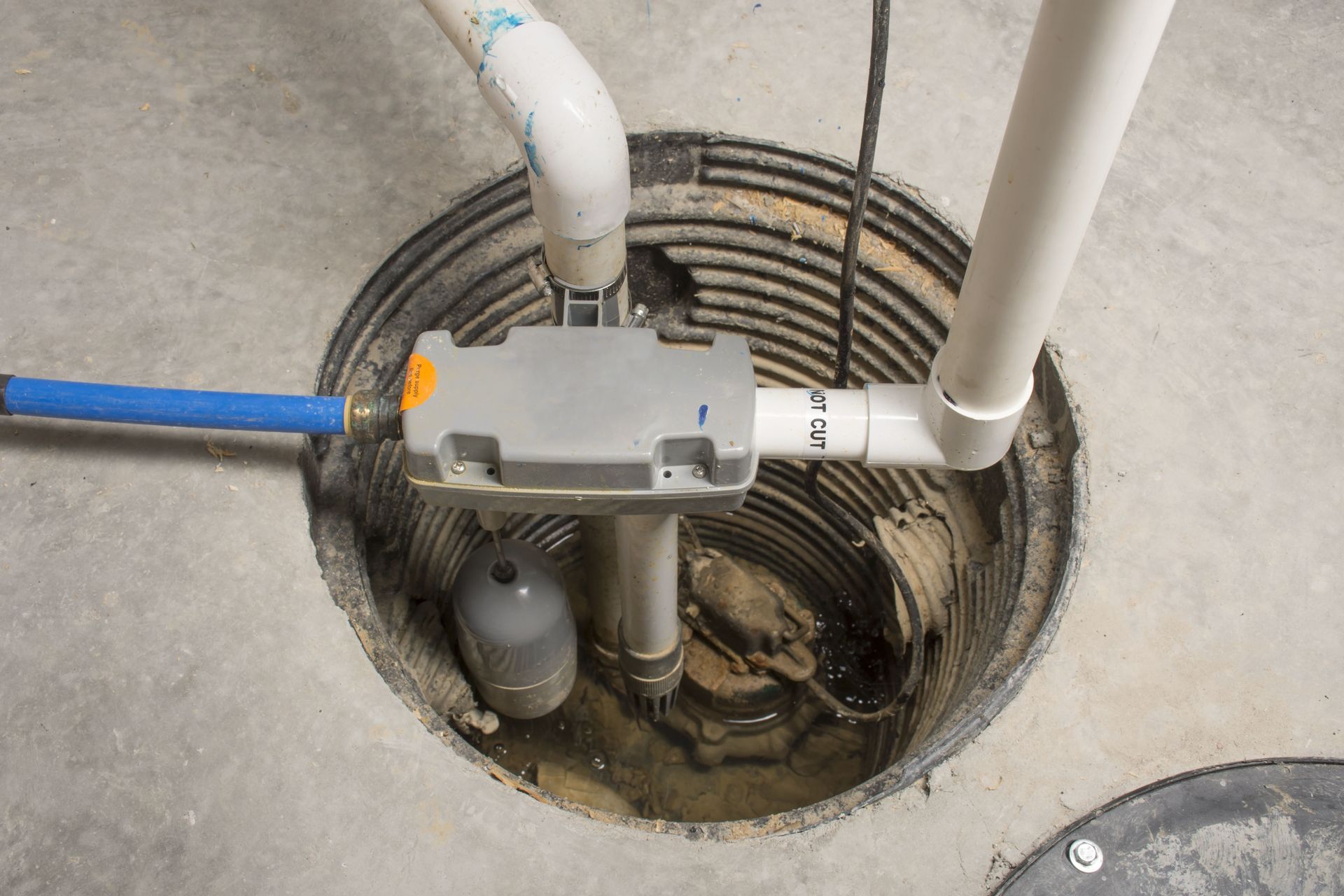
The sump pit is where water collects before being expelled by the pump, making its cleanliness integral to the pump’s efficiency. Over time, debris can accumulate within this pit, obstructing the pump’s intake and potentially leading to blockages. Regular cleaning of the sump pit is a preventive measure that ensures seamless water flow and prolongs the life of the sump pump. However, care should be taken to perform this cleaning without causing damage to the system.
Routine maintenance involves removing the sump pump from the pit, clearing any sludge or debris, and gently scrubbing the pit’s walls. While a simple task, it’s crucial to utilize the appropriate materials and cleaning agents that will not cause corrosion or mechanical issues to the components. If you're unsure how to proceed, it might be beneficial to watch video tutorials or consult professionals for guidance. This task should be scheduled annually or more frequently if your home has a high water table or frequently experiences heavy rainfall.
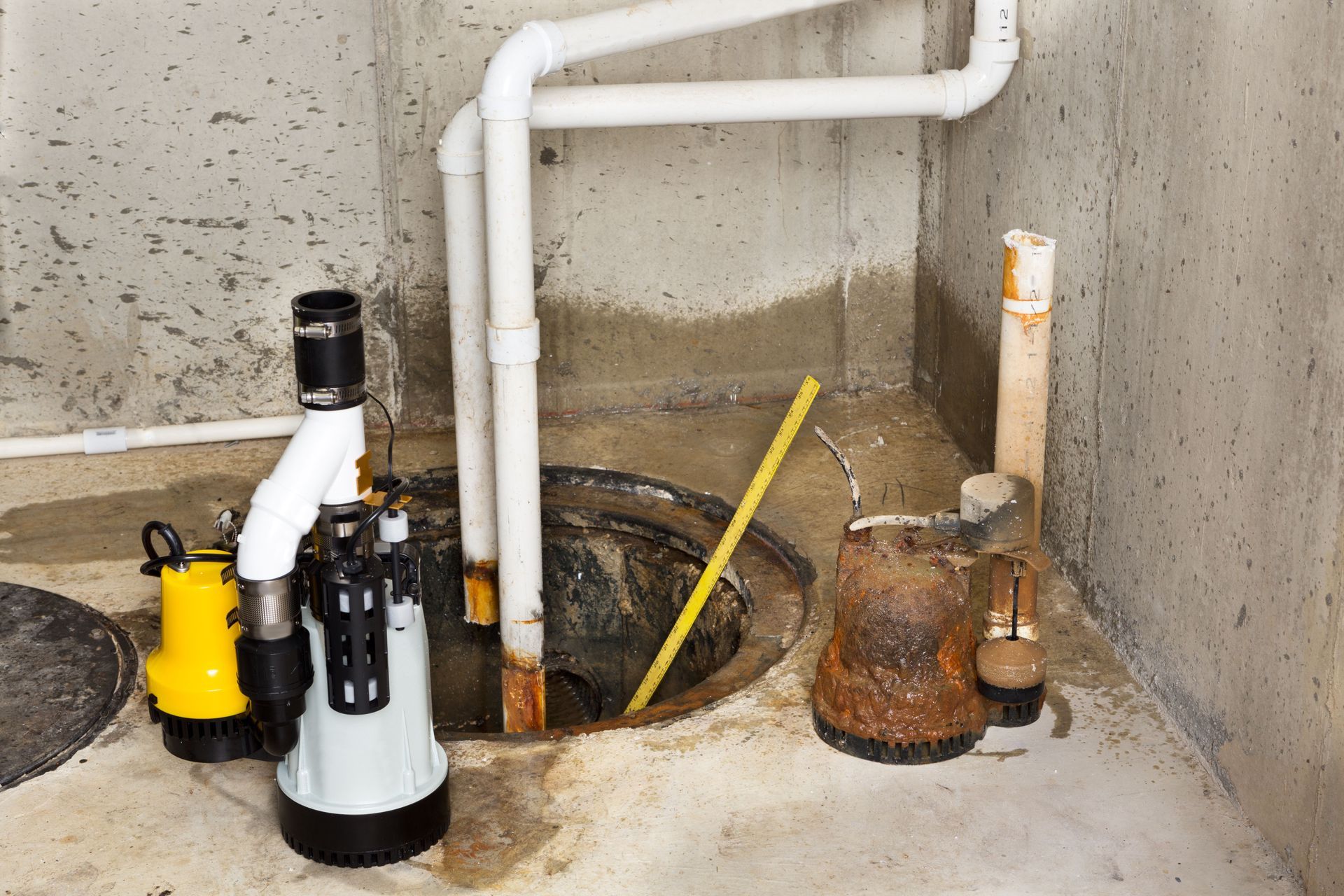
Keeping the pit clean ensures the sump pump can manage expected water volumes efficiently. A clean sump pit minimizes the risk of debris-related pump failure, thus maintaining optimal performance. Additionally, a well-maintained pit allows for accurate monitoring of the system and easier identification of any unusual changes, such as sediment buildup or quick water rises, which could signal other issues. According to This Old House, pedestal pumps have a typical lifespan of 15 to 20 years. In contrast, submersible pumps can require replacement after eight to 12 years. This task should follow careful planning post-sump pump installation to ensure no unnecessary disruptions.
Inspect for Leaks Around the System
Leaks around your sump pump system can undermine the integrity of your home’s foundation and increase the risk of water damage. Regular inspections for leaks ensure that water is being diverted correctly and can help highlight areas that need attention. Begin by visually assessing the area around the pump for any signs of corrosion, mold, or mildew, which could indicate a leak.
While some leaks may be visible, others require a more hands-on approach to detect. Check the connection points, hoses, and seals for any signs of wear or tear, as these are common leak sources. Keep an eye out for persistent dampness or peculiar odors that could betray hidden leaks. Consistent, thorough inspections allow you to catch small issues before they result in significant repair costs, safeguarding your sump pump installation’s effectiveness and your home's structural integrity.
If a leak is detected, it’s essential to address the issue promptly. Over time, even small leaks can lead to serious water intrusion issues, potentially damaging your basement and leading to mold growth. Depending on the leak's location and severity, it may be wise to enlist a professional to conduct repairs. Understanding how to identify and address leaks is an invaluable skill for homeowners, helping you maintain a resilient and reliable sump pump system.
Maintain Records of Maintenance and Repairs
Maintaining accurate records of your sump pump installations and subsequent maintenance activities offers numerous benefits. Detailed logs help track the frequency and nature of maintenance tasks, such as cleanings, service checks, and part replacements. Such records are invaluable when diagnosing problems as they provide a historical reference that can point to recurring issues or overdue maintenance.
These records should include dates, specific tasks performed, any parts replaced, and observations noted during routine checks. Not only do these logs help in troubleshooting, but they can also assist potential future homeowners or service technicians. When documentation shows that a sump pump system is well-maintained, it can enhance the property value and provide peace of mind to prospective buyers.
Proper maintenance post-sump pump installation is crucial to ensure the device functions effectively when needed. By following the outlined tips, you can significantly extend the lifespan of your sump pump, saving time and money in the long run. A well-maintained sump pump offers peace of mind, knowing your home is protected from potential flooding and related damages. Regular maintenance routines not only prevent surprises but also ensure your system runs efficiently, supporting your home's safety and structural integrity. Reach out to Garrison Plumbing to learn more about our services today.