June 29, 2026
For most modern households, a reliable supply of hot water is an invisible backbone of daily life. From the first morning shower to the final load of laundry or dishes at night, we depend on our water heaters to function efficiently and without interruption. However, because these appliances are often tucked away in basements, closets, or garages, they are frequently neglected until a major problem arises. When the water suddenly runs cold, the urgency of finding a reliable water heater repair becomes the top priority for any homeowner. Understanding the mechanics of your system and recognizing early warning signs can prevent minor issues from escalating into major plumbing disasters.
The average lifespan of a traditional tank-style water heater is typically between eight and twelve years. This range can fluctuate based on several factors, including the local water quality, the frequency of use, and whether or not the unit has received regular maintenance. Hard water, which is rich in minerals like calcium and magnesium, can significantly shorten the life of a unit by causing internal buildup and corrosion. Conversely, systems that are protected by water softeners or receive annual inspections may last well beyond the decade mark. Knowing the age of your unit is a vital first step in managing your home’s infrastructure and preventing unexpected failures.
Common Signs Your Water Heater Needs Professional Attention
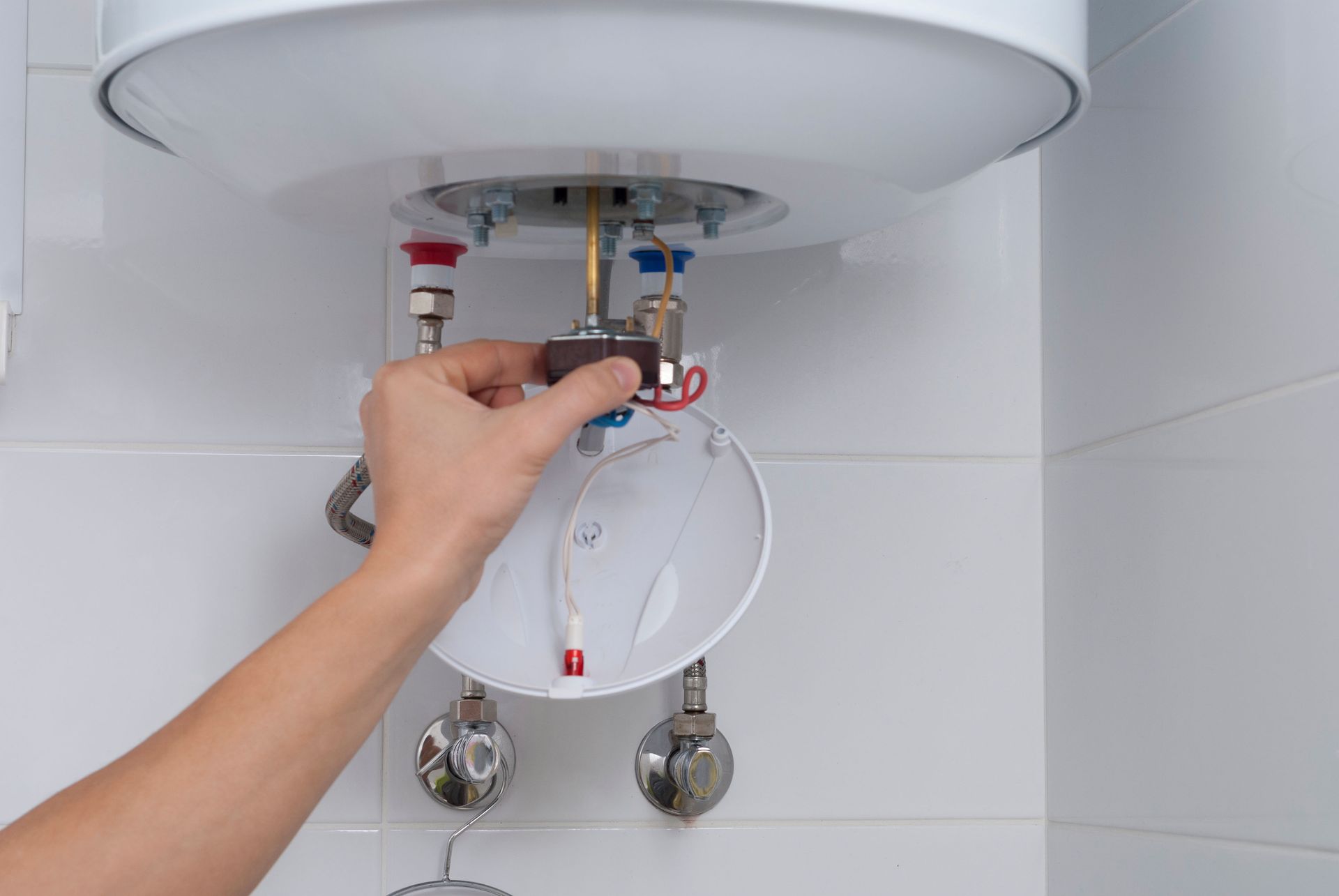
One of the most frequent indicators of a failing system is a noticeable change in water temperature consistency. If you find yourself constantly adjusting the shower handle or if the water takes an eternity to heat up, there is likely an internal component failure. In many cases, these problems can be solved through a standard water heater repair, such as replacing a burnt-out heating element or a malfunctioning thermostat. Ignoring these fluctuations can lead to higher energy consumption as the unit struggles to reach the set temperature, eventually causing the system to stop working entirely.
The appearance of the water itself can also tell you a great deal about the health of your heater. If your hot water looks rusty, brown, or cloudy while the cold water remains clear, the interior of your tank is likely corroding. This often happens when the sacrificial anode rod, which is designed to prevent rust, has been entirely consumed by minerals in the water. Once rust begins to eat away at the tank walls, the risk of a major leak increases exponentially, and a simple fix may no longer be possible. Promptly addressing these visual cues can save you from the expensive damage caused by a burst tank.
Strange Noises and Sediment Buildup
As water heaters age, they often begin to make unusual sounds such as banging, popping, or rumbling. These noises are typically the result of sediment buildup at the bottom of the tank, which hardens into a thick layer over time. When the water is heated, bubbles of steam get trapped beneath the sediment, causing the loud noises as they escape through the mineral crust. This layer of scale forces the heating elements to work harder, which can lead to overheating and eventually crack the tank's inner lining. A professional can often perform a water heater repair by flushing the tank to remove these deposits before they cause permanent structural damage.
In addition to noise, sediment buildup can also affect the overall capacity of your tank. As more minerals settle at the bottom, there is less room for actual hot water, leading to shorter showers and less efficiency. This buildup also creates a barrier between the burner or heating element and the water, wasting energy and increasing your monthly utility bills. Regularly checking for these sounds and scheduling a professional flush can ensure that your system remains efficient throughout its entire operational life.
Dealing with Leaks and Moisture
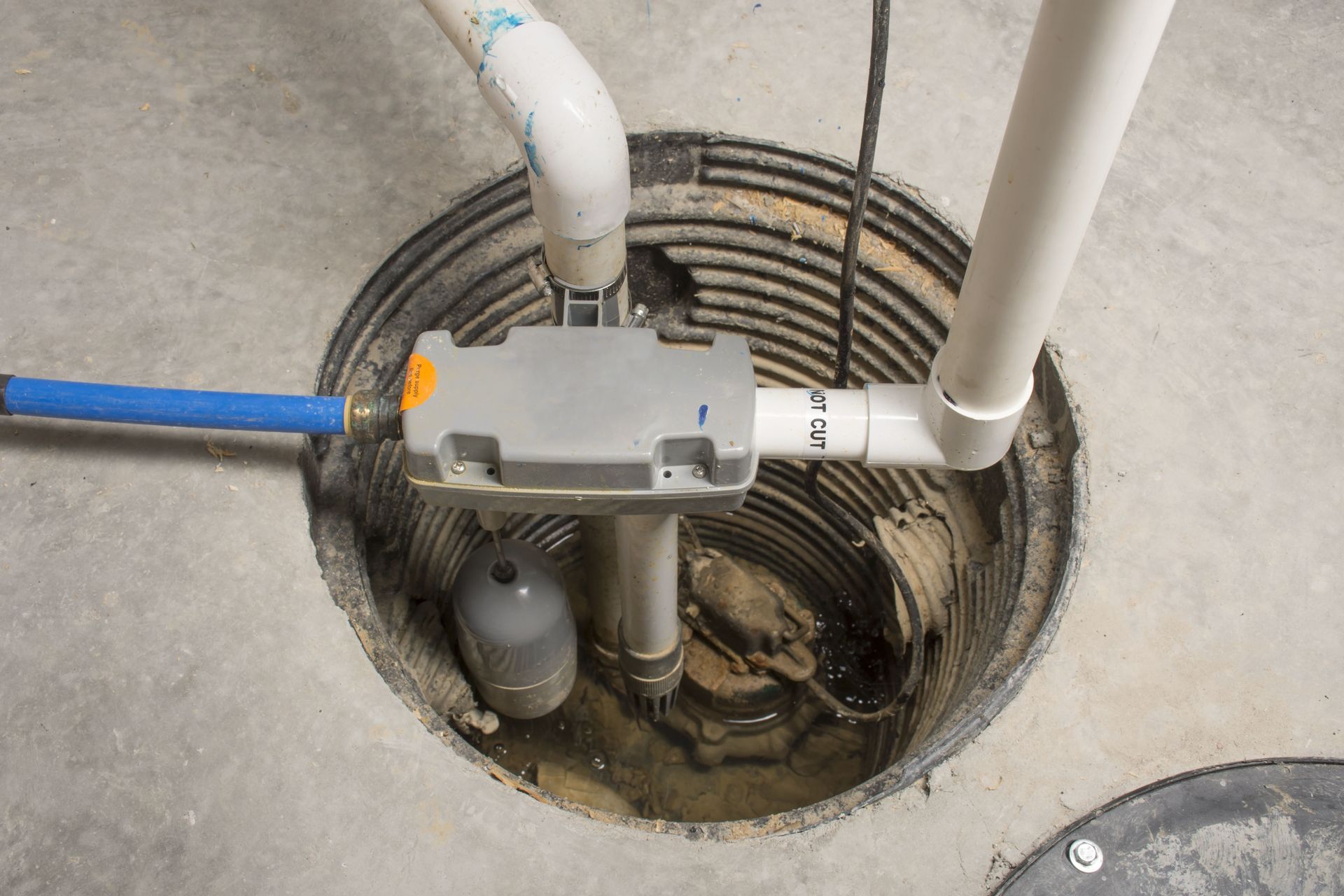
Finding water around the base of your appliance is a serious concern that should never be ignored. While it is possible that the moisture is just condensation from the pipes, it often indicates a leak from the tank or its various connections. Leaks from valves, such as the temperature and pressure relief valve or the drain valve, are relatively common and can be addressed by a skilled technician. However, if the water is seeping through the metal jacket of the tank itself, the unit is usually beyond help and needs to be replaced immediately to prevent home flooding. Catching these issues early during a routine water heater repair assessment can save you from the expensive cleanup of a major residential water disaster.
Slow leaks can be particularly deceptive because they may only appear when the water is heating, and the tank expands. Homeowners should regularly inspect the area for signs of dried minerals or "calcification" on the fittings and pipes. These white or green deposits are evidence of a persistent, slow-moving leak that could eventually lead to a catastrophic failure of the entire unit. It is important to remember that water heater tanks cannot be welded or patched once they start to fail from the inside out. Maintaining a clear space around the unit allows you to spot these subtle signs of trouble before they become emergency situations.
The Critical Decision: Repair or Replace?
The most difficult part of dealing with a broken appliance is deciding whether to fix the existing unit or invest in a new one. This decision often comes down to a combination of the unit's age, the cost of the parts, and the overall efficiency of the system. For a unit that is only a few years old, replacing a single component like a thermocouple or an element is almost always the most cost-effective path forward. However, as the system enters its second decade, the likelihood of multiple component failures increases, making repairs less attractive to budget-conscious homeowners.
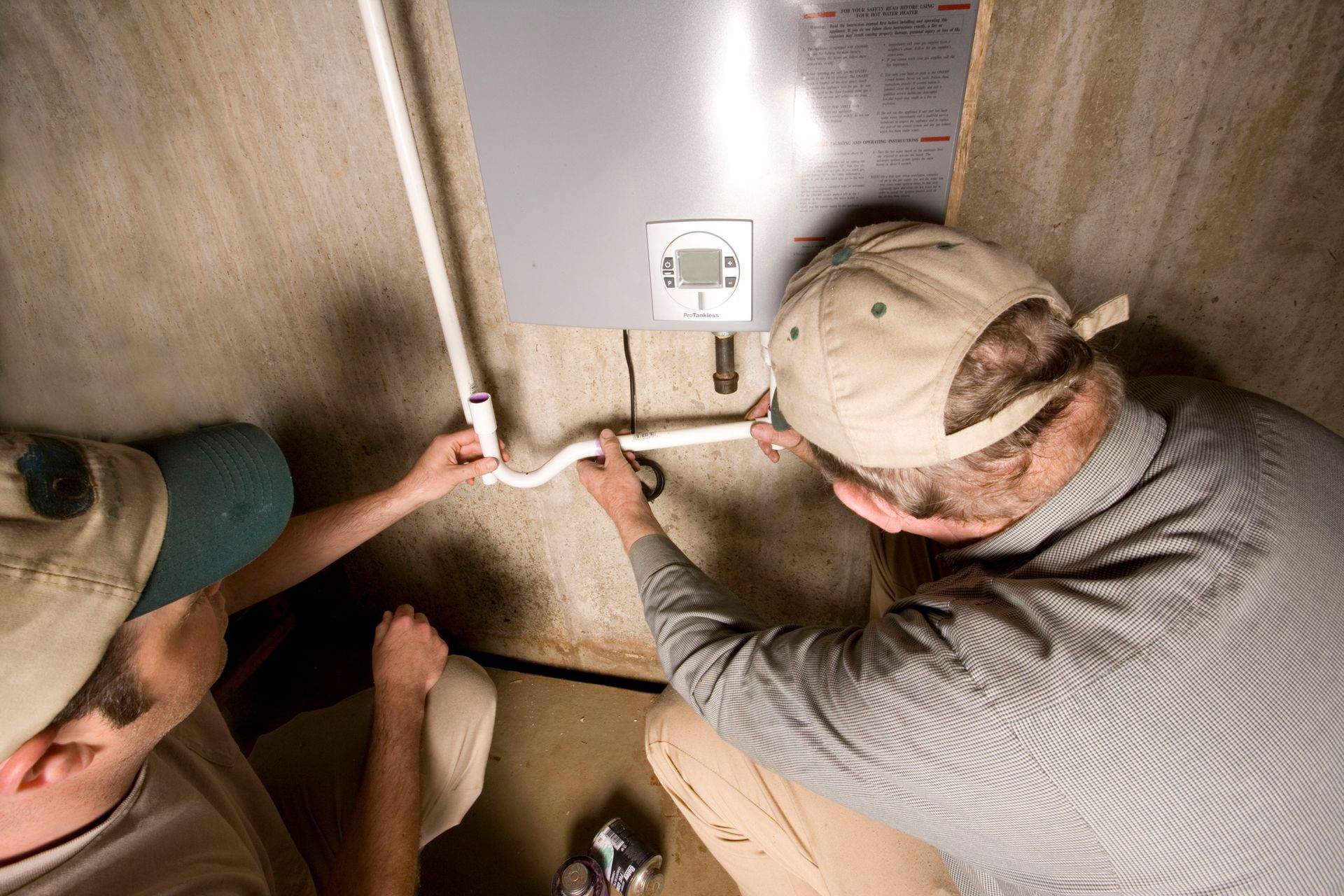
Homeowners often look for a clear guideline to help them make this financial choice when faced with a broken heater. According to HomeGuide, you should consider a new water heater if your current unit is more than 10 years old or if repairing it costs over 50% of a replacement. Following this logic prevents you from sinking money into a "sunk cost" that will likely need further attention within a few months. While the upfront cost of a new installation is higher, the long-term benefits of a modern, efficient system are substantial. Investing in a new unit rather than an expensive water heater repair on an old tank can reduce your monthly utility bills and provide better reliability for your family.
Maintaining a reliable hot water system is essential for the comfort and safety of any modern home. While it is easy to take your water heater for granted, paying attention to the small warning signs like strange noises, temperature swings, or minor leaks can save you from a major headache. Whether you are performing routine maintenance or deciding if it is time for a full replacement, understanding the needs of your system is key. By prioritizing timely water heater repair and knowing when to upgrade, you can ensure that your home remains a place of comfort and convenience for many years to come. For more information about water heaters, contact Garrison Plumbing today. Our team is ready to assist you!