May 16, 2026
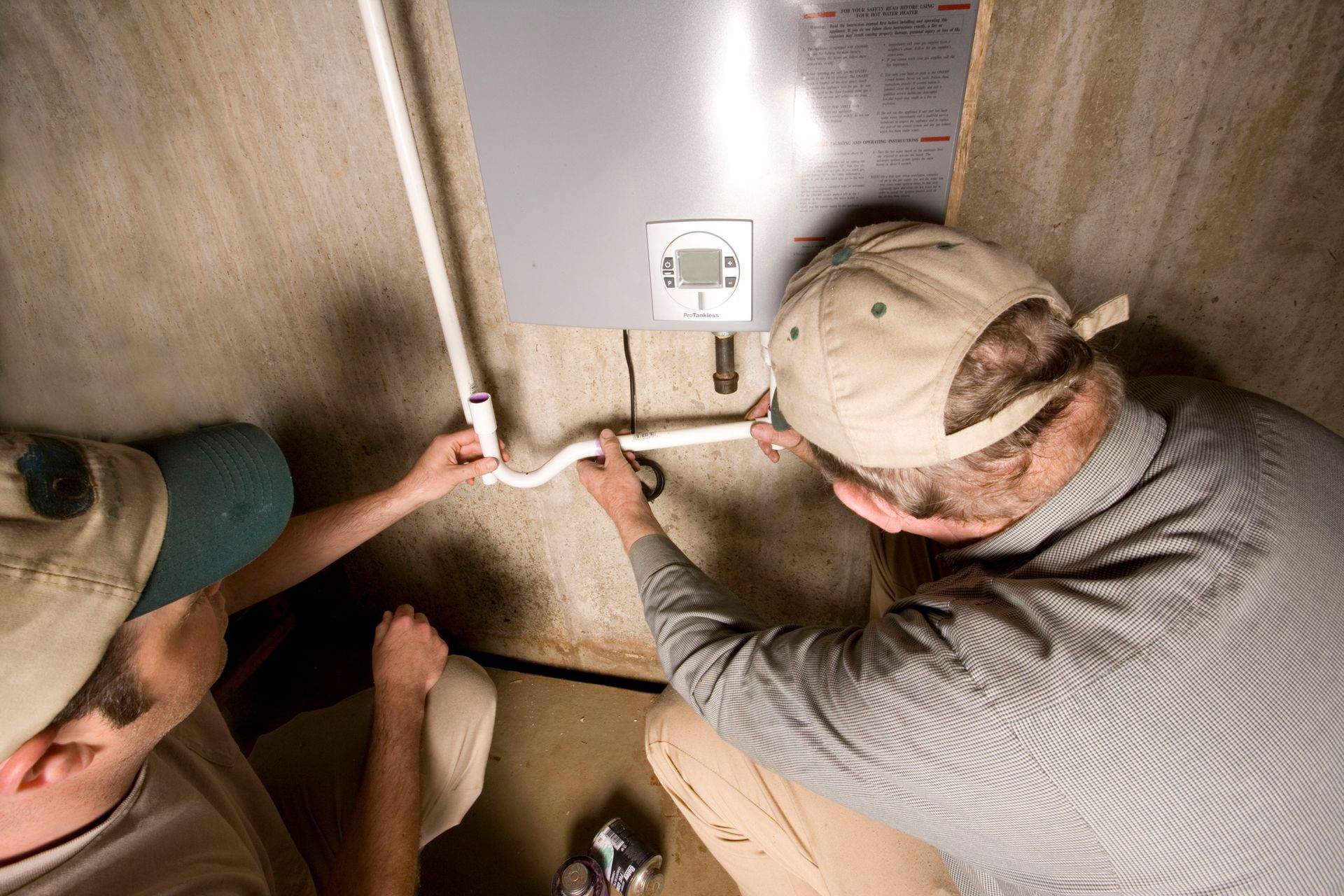
In this article, we will explore the importance of professional water heater installation, focusing on how it enhances both efficiency and safety. Whether you are upgrading an old system or installing a new one, understanding the benefits of expert installation can lead to better performance and peace of mind. Installing a water heater is no simple task; it requires precision, expertise, and a comprehensive understanding of the system. Moreover, professional installation not only ensures the optimal operation of a water heater but also enhances its lifespan. By investing in professional services, homeowners can enjoy a reliable and efficient system that meets their household needs.
1. Understanding Water Heater Types and Requirements
1.1. Storage Water Heaters
Traditional storage water heaters are the most common type found in homes, utilizing a large tank to maintain a reservoir of hot water. These heaters are relatively easy to install but require precise placement for optimal operation. Professional installers know the intricacies of sizing, venting, and connecting the necessary plumbing for these units. Proper insulation of the tank and pipes is critical to minimize heat loss and improve energy efficiency. Despite their prevalence, homeowners must understand that installation errors can lead to significant inefficiencies and increased energy costs over time.
1.2. Tankless Water Heaters
Tankless water heaters are renowned for their ability to provide on-demand hot water without the energy losses associated with storage tanks. Their installation is more complex than traditional systems, requiring expertise in electric or gas line adjustments and ensuring adequate flow rates. Given their rising popularity, it is no surprise that, according to The Farnsworth Group, 31.6% of homeowners indicated intent to retrofit their homes with tankless water heaters to increase energy efficiency. Professional installers ensure the correct sizing and placement of these units to meet household demands efficiently. A poorly installed tankless system can lead to fluctuating water temperatures and reduced efficiency.
1.3. Heat Pump Water Heaters
Heat pump water heaters operate by extracting heat from the surrounding air and transferring it to the water. Their installation requires consideration of ambient temperature and space, as they are most efficient in warmer environments with ample room for air circulation. Installers must ensure that these units are placed in basement areas or garages where temperature conditions are suitable. The unique mechanism of heat pumps makes professional installation crucial to avoid operational inefficiencies. Without proper knowledge, homeowners might face increased electric bills and insufficient hot water supply.
1.4. Solar Water Heaters
Solar water heaters use solar panels to capture energy from the sun, making them an environmentally friendly option. Installation involves not only the placement of water tanks but also the correct angling and location of solar panels for maximum sun exposure. Professional installers assess geographic and structural factors to optimize the solar gain and efficiency of these systems. Incorrect installation can lead to suboptimal energy collection and poor winter performance. Thus, ensuring that a qualified professional handles the setup is critical to making the most of solar technology capabilities.
1.5. Hybrid Water Heaters
Hybrid water heaters combine traditional heating methods with heat pump technology to maximize efficiency. These systems require a dual-operation installation process, integrating traditional electric elements alongside heat pump components. Given their complexity, professional installation is essential to balance the varied modes of operation. Experts ensure that the system is correctly configured to switch between modes based on demand and efficiency requirements. A professionally installed hybrid heater can lead to substantial savings on energy bills while providing consistent hot water supply.
2. The Importance of Proper Sizing and Placement
2.1. Assessing Household Water Needs
A crucial aspect of water heater installation is determining the appropriate size based on household water consumption. Professionals use various metrics, such as the number of occupants and their hot water usage habits, to select a system that meets demands without waste. Oversized systems can lead to unnecessary energy consumption, while undersized units may result in insufficient hot water supply. An accurate assessment ensures that homeowners enjoy both efficiency and convenience. Proper sizing is integral to the long-term performance and sustainability of the heating system.
2.2. Space Considerations
The location of a water heater significantly influences its performance and accessibility. Professional installers evaluate space constraints, ensuring that the system is placed where it can operate efficiently while minimizing heat loss. Appropriate space also allows for easier access for maintenance and potential upgrades. Placement impacts not only the immediate performance but also the longevity of the water heater. By strategically positioning the unit, experts help maximize the effectiveness of the water heating system and its energy efficiency.
2.3. Code and Regulation Compliance
Adherence to local codes and regulations is paramount in water heater installation. Professional installers are familiar with these requirements, ensuring that the water heater placement and setup meet all legal standards. This compliance is critical not only for legal reasons but also for safety and efficiency. Failure to adhere to these codes can result in penalties, safety hazards, and reduced system performance. By choosing professional installation, homeowners are assured of a setup that complies with all relevant regulations and standards.
2.4. Optimal Ventilation
Ventilation plays a critical role in the performance and safety of many water heater systems, particularly those using gas or heat pump technologies. Professionals ensure that ventilation setups meet the manufacturer and safety requirements, avoiding issues such as carbon monoxide buildup or system inefficiencies. Proper ventilation extends the lifespan of the water heater by reducing wear and tear caused by inadequate air flow. Ventilation considerations also prevent moisture buildup, which can lead to mold and other structural issues in the installation area. By ensuring optimal ventilation, professional installers enhance both safety and efficiency.
2.5. Access for Maintenance
Accessibility is often overlooked but essential when a water heater is installed, as regular maintenance is necessary for sustained performance. A professional installer considers future maintenance needs, ensuring the unit is easy to reach for tasks such as draining the tank, cleaning filters, or replacing parts. This foresight helps minimize potential issues and maximizes the system's longevity. Easy access facilitates routine inspections and adjustments that keep the system running at peak efficiency. Proper placement significantly reduces the risk of unexpected breakdowns and costly repairs.
3. Enhancing Energy Efficiency Through Professional Installation
3.1. Thermal Insulation Techniques
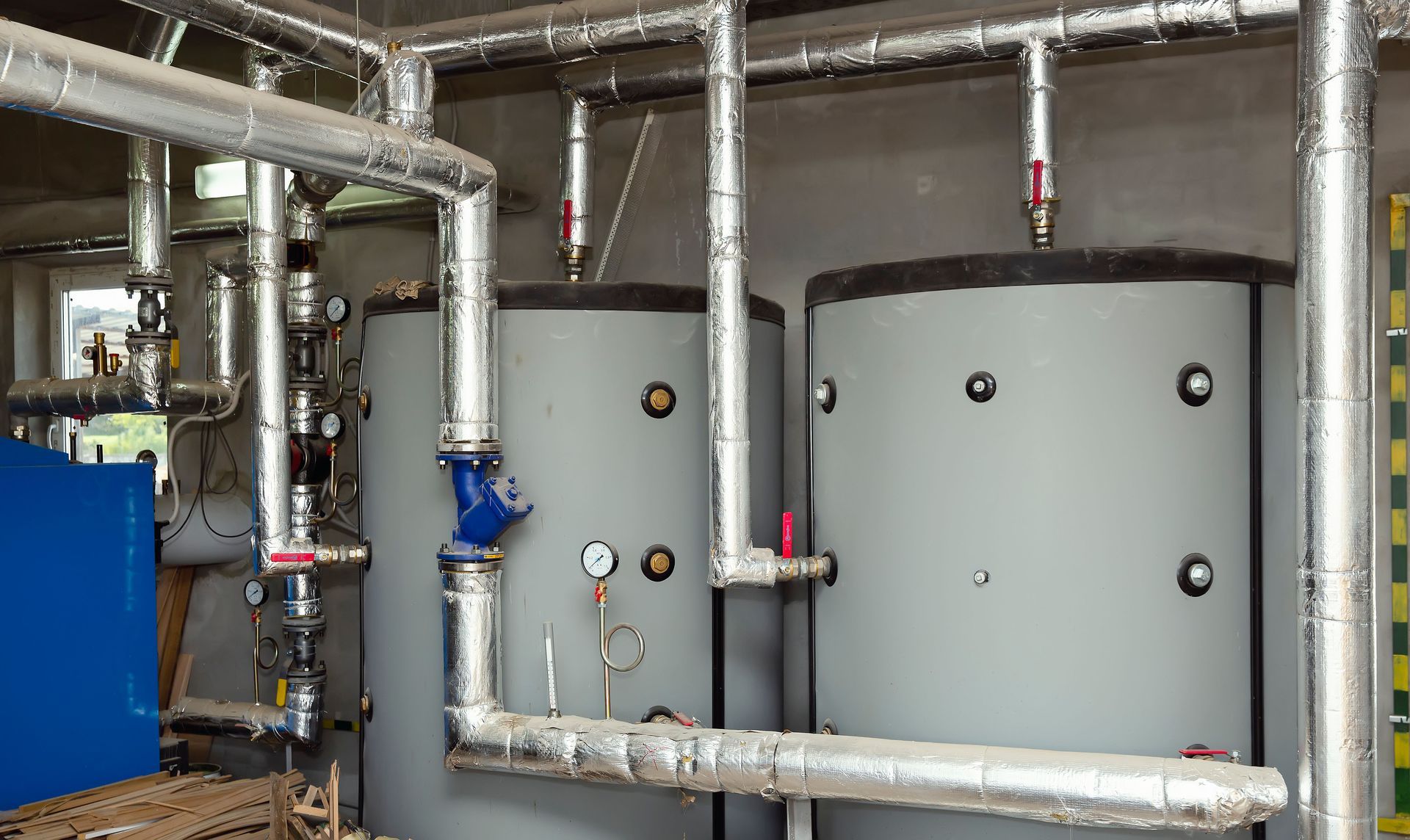
Effective thermal insulation is key to reducing energy waste in water heating systems. Professional installers apply insulation to storage tanks and piping, which significantly decreases heat loss. This preservation of heat within the system minimizes the energy required to maintain desired water temperatures. Without proper insulation, a substantial portion of generated heat dissipates, leading to increased energy consumption and costs. By employing advanced insulation techniques, installers improve the overall energy efficiency of water heaters.
3.2. High-Efficiency Models Selection
Selecting high-efficiency models is a vital component of professional water heater installation. Experts help homeowners choose units that maximize energy use by using the latest technologies and innovations available. High-efficiency models offer features that substantially lower energy requirements, providing long-term savings on utility bills. With a wide variety of advanced models on the market, having professional guidance ensures that homeowners select the best option for their specific needs. These selections not only improve efficiency but also reduce the carbon footprint of households.
Professional water heater installation offers numerous benefits, including enhanced efficiency, improved safety, and long-term savings. By understanding the complexities involved and choosing a qualified installer, homeowners can ensure a reliable and efficient hot water system. Investing in expert services for water heater installation protects against future expenses and adds substantial value to a home. Trust the professionals to make the right choices for installations that provide peace of mind and optimal performance. Through skilled installation, homeowners enjoy not only a functional system but also significant energy and cost savings. Be sure to reach out to Garrison Plumbing today for more information on our professional water heater installation!