August 24, 2026
Tankless water heaters are becoming increasingly popular among homeowners seeking to reduce energy consumption and improve home efficiency. With growing environmental awareness, consumers want appliances that maximize performance while minimizing waste. Transitioning to a modern, on-demand unit allows property owners to take full control of their utility costs without sacrificing everyday comfort. Furthermore, replacing an aging, bulky tank frees up valuable square footage while modernizing your home's mechanical systems. Installing on-demand water heating offers a practical solution for curbing utility costs while delivering a reliable, consistent hot water supply for modern households.
Heating Water On Demand
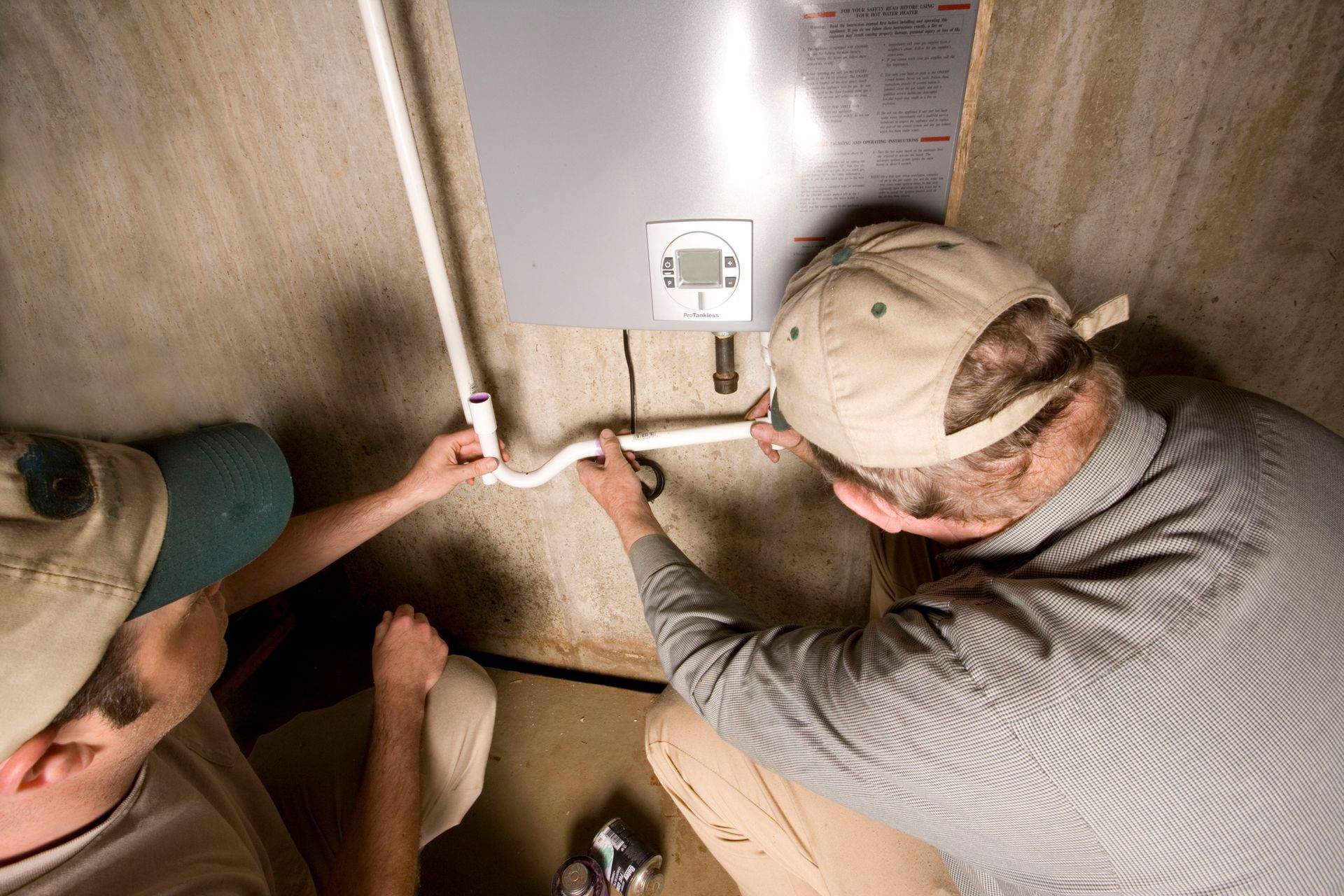
Unlike traditional storage tanks that continuously heat standing water, on-demand units heat water only when a fixture opens. Eliminating the bulky storage tank creates a compact profile that fits easily into tight mechanical spaces. Scheduling a professional tankless water heater installation allows homeowners to upgrade their plumbing infrastructure while immediately curbing standby energy losses.
Eliminating Standby Thermal Loss
Conventional storage water heaters experience continuous thermal loss as heated water cools down inside the tank over time. Tankless models virtually eliminate these standby losses by engaging heating elements solely when water flows through the system. Removing the need for constant reheating drastically increases overall household efficiency while delivering a virtually endless supply of hot water.
Evaluating System Heating Capacity
Choosing the right tankless system involves understanding the specific fuel type and capacity that fits household requirements. Both gas and electric models deliver substantial operational savings over legacy tank systems. While electric units offer lower upfront costs, gas-powered systems provide higher flow rates for homes with heavy simultaneous hot water demands.
Activating Fast Heat Exchangers
Modern demand units utilize advanced flow sensors and high-efficiency heat exchangers to warm cold water instantly upon tap activation. As water passes through the heating element, it reaches the designated temperature within seconds. Investing in a proper tankless water heater installation guarantees reliable temperature control without running out of hot water during peak usage hours.
Optimizing Daily Energy Efficiency
On-demand heating systems minimize fuel consumption by operating strictly during active hot water draws. According to the U.S. Department of Energy, homes that use less than 41 gallons of hot water per day can achieve energy savings of up to 34% with a tankless water heater. These significant efficiency gains directly reduce monthly utility bills while encouraging sustainable energy habits.
Managing Seasonal Household Demands
On-demand systems adjust seamlessly to fluctuating seasonal groundwater temperatures and varying household usage patterns. Multi-unit configurations can be installed near high-demand fixtures like master bathrooms or kitchens to maintain consistent water pressure. Choosing a customized tankless water heater installation strategy prevents temperature drops during winter months when incoming groundwater is colder.
Comparing Electric and Gas Options
Homeowners can select between electric and gas-powered models based on existing household utility hookups. Electric units feature compact footprints, lower upfront purchase costs, and simple maintenance needs due to zero venting requirements. However, gas models deliver higher gallons-per-minute flow rates, making them ideal for larger families requiring simultaneous shower and appliance use.
Reviewing System Energy Factors
Energy Factor (EF) ratings measure how efficiently a water heater converts fuel into usable hot water over a standard day. High-efficiency tankless units often achieve EF ratings above 0.90, converting over 90% of consumed energy into heat. Traditional tank models typically struggle between 0.50 and 0.70 EF due to continuous standby heat losses through tank walls.
Weighing Costs Against Savings
Although upfront equipment and labor costs for an on-demand unit exceed traditional tank replacements, long-term operational savings quickly offset the initial expense. Lower monthly utility bills help homeowners recover their investment within a few years of operation. Furthermore, municipal rebates and energy tax credits frequently reduce the initial out-of-pocket financial commitment.
Analyzing Household Energy Trends
Water heating consistently ranks as one of the top energy expenses in residential properties, accounting for a major portion of utility bills. Daily routines like showering, laundering, and dishwashing drive continuous fuel consumption throughout the year. Recognizing these consumption patterns allows property owners to identify effective retrofits that permanently lower residential energy waste.
Quantifying Hot Water Demand
Studies indicate that water heating accounts for approximately 15% to 20% of total residential energy consumption. Upgrading to an eco-friendly heating unit offers an immediate path toward lowering utility costs and natural resource depletion. Combining energy-efficient appliances with a professional tankless water heater installation drastically reduces the energy footprint of daily household chores.
Stopping Idle Energy Waste
Conventional storage heaters waste significant energy maintaining tank water temperatures during long idle periods, such as overnight or while family members are at work. According to our experts standby heat loss accounts for nearly 20% of a storage heater's total energy consumption. Transitioning to an on-demand system eliminates this chronic standby waste entirely.
Adapting To Climate Factors
Groundwater temperatures and regional climate shifts heavily influence the amount of energy required to heat household water. Homes in colder northern climates require higher BTU outputs to raise incoming freezing water to comfortable bathing temperatures. Planning a high-capacity tankless water heater installation ensures consistent hot water performance regardless of extreme winter weather.
Benchmarking Tank Versus Tankless
Direct comparative studies consistently highlight the superior energy performance of on-demand units over storage tanks. According to the U.S. Department of Energy, energy savings can rise to 34% for homes with less than 41 gallons of daily hot water use. Lowering fuel consumption provides immediate financial relief while supporting long-term home sustainability goals.
Reducing Residential Carbon Footprints
Switching to energy-efficient water heating significantly decreases household carbon dioxide emissions tied to natural gas or electricity generation. Reducing overall fuel demand helps communities achieve broader environmental targets and combat climate change. Adopting sustainable home appliances reflects a meaningful commitment to environmental stewardship and clean energy goals.
Decreasing Harmful Greenhouse Gases
Conventional water heaters produce elevated greenhouse gas emissions due to constant reheating cycles. On-demand systems burn fuel or draw electricity only during active water use, producing a fraction of the operational emissions. Replacing outdated equipment with modern eco-friendly appliances delivers immediate environmental benefits for local communities.
Conserving Natural Energy Resources
On-demand heating promotes responsible resource management by eliminating fuel waste during idle hours. Lowering overall gas and electricity consumption preserves natural resources and reduces strain on regional utility infrastructure. Investing in a certified tankless water heater installation helps align daily household routines with modern environmental conservation standards.
Balancing Regional Utility Grids
Widespread adoption of high-efficiency water heaters reduces peak demand spikes on regional electrical and natural gas grids. Lowering overall utility loads prevents power strain during extreme seasonal weather events. Upgrading residential heating systems benefits individual homeowners while enhancing broader municipal energy grid reliability.
Upgrading to an on-demand system provides a highly effective pathway toward lowering residential energy consumption, reducing monthly utility bills, and minimizing your household's overall carbon emissions. By replacing outdated, energy-draining storage tanks with modern on-demand technology, homeowners eliminate the chronic standby thermal losses that silently inflate utility bills year after year. Beyond immediate financial relief, this investment enhances daily living by delivering a continuous, reliable hot water supply tailored to your family's exact needs, all while easing demand on regional energy grids and conserving vital natural resources. Embracing high-efficiency plumbing infrastructure is not merely a home improvement project; it is a forward-thinking commitment to long-term property value, operational reliability, and environmental stewardship. To discover how an eco-friendly water heating upgrade can transform your home's efficiency, contact Garrison Plumbing.